Quality Window Repair: Essential for Home Maintenance and Energy Efficiency
Windows are not just openings in a wall; they are important elements that supply natural light, ventilation, and defense versus the components. In time, however, windows can degrade due to use and tear, climate condition, or absence of maintenance. When this happens, it's vital to address the problems without delay to guarantee the continued performance and aesthetic appeal of your home. Quality window repair is a vital aspect of home maintenance that can substantially impact energy effectiveness, security, and overall comfort. This post explores the value of quality window repair, common concerns, and the steps homeowners can require to ensure their windows are in leading condition.
The Importance of Quality Window Repair
Enhancing Energy Efficiency
One of the primary advantages of quality window repair is the improvement in energy efficiency. When windows remain in great condition, they help maintain a consistent indoor temperature level by avoiding drafts and lowering the requirement for extreme heating or cooling. This can result in substantial cost savings on energy costs and a more sustainable home environment. According to the U.S. Department of Energy, properly sealed and insulated windows can minimize energy costs by up to 25%.
Improving Security
Windows are a common entry point for burglars. Cracked glass, loose frames, or malfunctioning locks can compromise the security of your home. Quality window repair includes attending to these issues to make sure that your windows are secure which your household is safe. Changing damaged glass, tightening loose frames, and installing robust locking systems are important actions in enhancing home security.
Keeping Aesthetic Appeal
Looks play a substantial function in the worth and livability of a home. Harmed or poorly maintained windows can interfere with the overall look of your property, making it look unkempt and overlooked. Quality window repair can bring back the appeal and beauty of your windows, contributing to a more inviting and pleasant living environment.
Extending Window Lifespan
Regular maintenance and timely repairs can extend the lifespan of your windows, delaying the need for a complete replacement. This can be an affordable option, as window replacement can be costly. By addressing minor concerns early, you can avoid them from intensifying into significant problems that require a more significant financial investment.
Typical Window Issues
Cracked or Broken Glass
Among the most typical issues property owners deal with is split or broken glass. This can take place due to accidental damage, severe weather conditions, or aging. Split glass not just compromises security however likewise permits cold air to get in and warm air to escape, affecting energy performance.
Leaking Frames
Dripping window frames are another frequent problem. Gradually, the seal in between the window frame and the wall can break down, leading to water seepage and drafts. Leakages can cause water damage to the surrounding walls and floorings, and they can also promote the development of mold and mildew.
Sticking or Malfunctioning Windows
Sticking or malfunctioning windows are irritating and can be a safety risk. This concern often emerges from damaged or damaged elements, such as hinges, sashes, or tracks. Sticking windows can likewise show issues with the window frame, such as warping or growth due to temperature level changes.
Drafty Windows
Breezy windows are a sign of bad insulation and can cause uncomfortable living conditions. Drafts happen when there are gaps or cracks in the window frame or when the weatherstripping is broken. Sealing these gaps can significantly improve the energy effectiveness of your home.
Peeling Paint or Rotting Wood
For homes with wood windows, peeling paint or decomposing wood can be a serious issue. Wood is susceptible to moisture damage, which can cause decomposing and structural weak point. Regular painting and sealing can prevent these concerns and extend the life of wood windows.
Foggy or Cloudy Insulated Glass
Foggy or cloudy insulated glass is a sign that the seal between the panes has failed. This can occur due to age or damage, and it affects the window's capability to insulate. Foggy glass is not only unpleasant but also reduces exposure and energy effectiveness.
Actions for Quality Window Repair
Assess the Damage
Before starting any repair work, it's essential to evaluate the extent of the damage. This involves recognizing the type of window (e.g., single-pane, double-pane, wooden, vinyl) and the particular concerns (e.g., cracked glass, leaking frame, sticking sash). An extensive assessment will assist you figure out the finest strategy and the materials required for the repair.
Collect the Necessary Tools and Materials
Quality window repair requires the right tools and materials. Depending upon the issue, you may need:
- Glass cutter and replacement glass for broken or broken glass.
- Caulk and sealant for sealing spaces and leakages.
- Weatherstripping to enhance insulation and avoid drafts.
- Screwdrivers and replacement hardware for stuck or malfunctioning windows.
- Sandpaper and primer for peeling paint or rotting wood.
- Dehumidifier and silica gel packages for foggy or cloudy insulated glass.
Repairing Cracked or Broken Glass
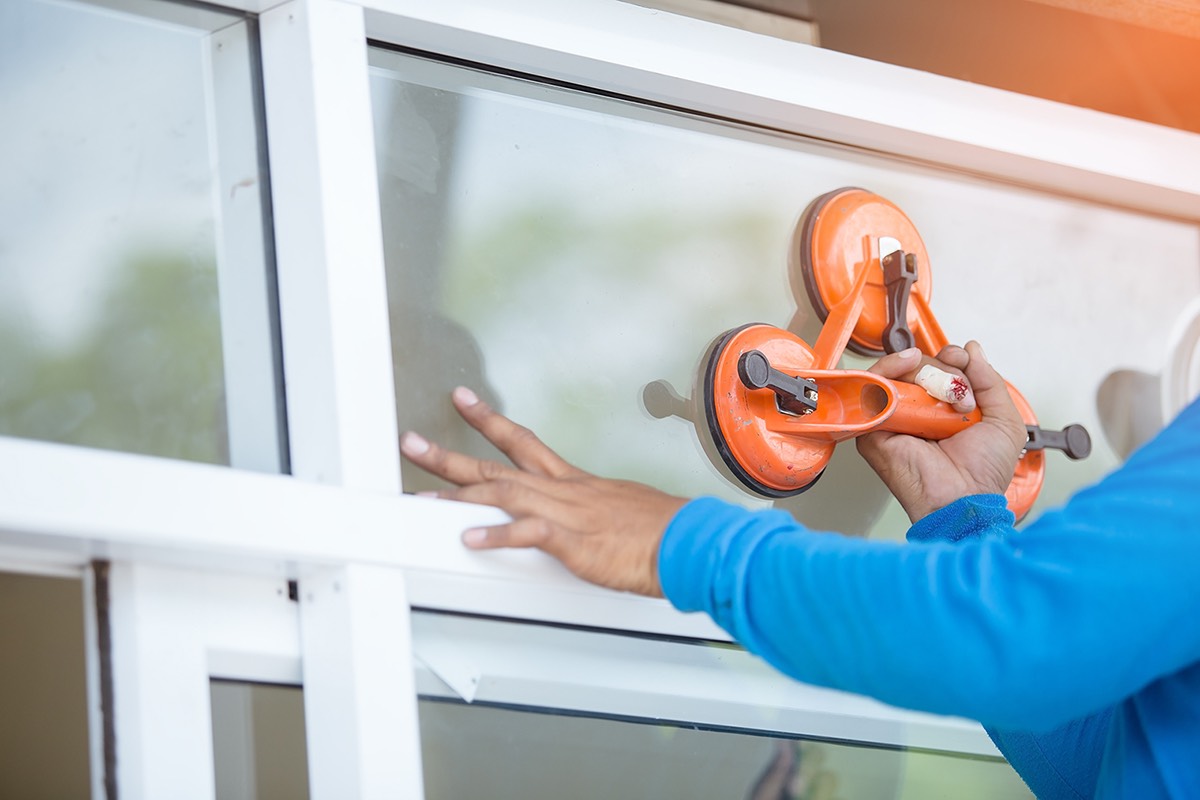
- Get rid of the broken glass: Carefully remove the broken glass using a glass suction cup or pliers. Ensure you wear protective gloves and safety glasses to avoid injury.
- Step the opening: Measure the dimensions of the opening to ensure the replacement glass fits perfectly.
- Install the brand-new glass: Cut the replacement glass to size utilizing a glass cutter. Use a thin layer of glazing substance around the edges of the opening, and thoroughly place the brand-new glass in the frame.
- Secure the glass: Use glazing indicate protect the glass in location. Apply another layer of glazing substance over the points and smooth it with a glazing tool. Permit the compound to dry before painting.
Sealing Leaky Frames
- Tidy the area: Remove any old caulk or sealant from the window frame and the surrounding area. Tidy the surfaces with a degreaser to make sure a strong bond.
- Apply caulk: Use a premium, weather-resistant caulk to seal any gaps or fractures. Apply the caulk in a smooth, constant bead and press it into the gaps to guarantee a tight seal.
- Smooth and surface: Smooth the caulk with a caulk finishing tool or a damp finger. Permit it to dry completely before painting.
Repairing Sticking or Malfunctioning Windows
- Lube the parts: Apply a silicone-based lube to the hinges, sashes, and tracks to decrease friction and enhance motion.
- Adjust the sash: If the window is sticking, you may need to change the sash. This can be done by loosening or tightening the screws that hold the sash in location.
- Replace hardware: If the lubricant and modifications do not solve the problem, it might be required to replace worn-out or damaged hardware. This consists of hinges, locks, and rollers.
Attending To Drafty Windows
- Inspect the weatherstripping: Inspect the weatherstripping around the window frame and sash. If foggy window repair is broken or damaged, it needs to be replaced.
- Install brand-new weatherstripping: Choose the suitable kind of weatherstripping for your window (e.g., foam tape, V-strip, felt). Step and cut the weatherstripping to fit, and install it according to the producer's guidelines.
- Seal spaces: Use caulk or expanding foam to seal any spaces in between the window frame and the wall. This will assist avoid air leakages and enhance energy effectiveness.
Repairing Peeling Paint or Rotting Wood
- Eliminate old paint: Use a paint scraper or sandpaper to remove peeling paint from the window frame. Sand the surface to produce a smooth, even complete.
- Deal with rot: If there is any rot, utilize a wood hardener to support the affected areas. Remove any loose or decayed wood and fill the gaps with wood filler.
- Prime and paint: Apply a high-quality primer to the treated areas, followed by a long lasting outside paint. This will safeguard the wood from moisture and prevent further wear and tear.
Dealing with Foggy or Cloudy Insulated Glass
- Determine the cause: Determine whether the foggy glass is brought on by a stopped working seal or condensation inside the window. If the seal is undamaged however the glass is still foggy, it may be due to condensation.
- Replace the glass: If the seal has failed, the very best option is to replace the insulated glass unit (IGU). This can be done by a professional window repair service or by thoroughly getting rid of and replacing the IGU yourself.
- Use a dehumidifier: If the concern is condensation, utilize a dehumidifier to reduce humidity levels in the space. You can likewise position silica gel packages inside the window frame to take in moisture.
When to Call a Professional
While numerous window repairs can be handled by property owners, there are circumstances where professional help is required:
- Complex repairs: If the repair involves detailed parts or specialized skills, it's best to call an expert. This includes replacing IGUs or handling substantial wood rot.
- Security concerns: Working with glass or heavy window parts can be dangerous. If you're not comfy with the job, it's much safer to employ a professional.
- Guarantee concerns: If your windows are still under service warranty, trying to repair them yourself might void the service warranty. In this case, contact the producer or a certified professional.
FAQs
How typically should windows be examined for maintenance?
House owners need to check their windows at least twice a year, generally in the spring and fall. This allows you to capture and deal with concerns before they end up being more severe.
Can I repair foggy double-pane windows myself?
While you can try to get rid of condensation, the very best solution is generally to replace the insulated glass unit (IGU). This can be an intricate job and is frequently best left to professionals.
What materials are best for weatherstripping?
Foam tape, V-strip, and felt are popular options for weatherstripping. Foam tape is easy to install and provides great insulation, while V-strip is more durable and ideal for high-use windows. Felt is a low-priced alternative that works well for short-term fixes.
How can I avoid wood windows from decaying?
Regular painting and sealing can avoid wood windows from decaying. It's likewise essential to address any water damage without delay and to ensure correct drain around the window.
Is it more affordable to repair or replace a window?
The cost of repair versus replacement depends on the degree of the damage. Small issues like stuck windows or peeling paint can be resolved with repairs, which are often more affordable. However, if the damage is extensive or the window is old, replacement might be the much better choice.
How can I test if my windows are leaking air?
You can utilize a smoke stick or a lit candle light to test for air leakages. Move the smoke or flame around the window frame. If the smoke or flame relocations, it shows an air leakage.
Quality window repair is an important aspect of home upkeep that can boost energy efficiency, enhance security, and keep the visual appeal of your property. By attending to common issues like broken glass, leaking frames, and breezy windows, house owners can guarantee their windows continue to operate successfully and remain a valuable property to their home. Whether you deal with the repairs yourself or hire a professional, regular maintenance and prompt repairs are vital for the longevity and efficiency of your windows.
Extra Resources
- Do It Yourself Window Repair Kits: Many hardware shops provide DIY window repair kits that consist of the tools and materials required for typical repairs.
- Energy Efficiency Tips: The U.S. Department of Energy supplies resources on improving window energy performance.
- Professional Window Repair Services: Search for licensed window repair experts in your area to ensure premium service and craftsmanship.
By taking the time to understand and resolve window problems, house owners can enjoy a more comfy, protected, and energy-efficient home.